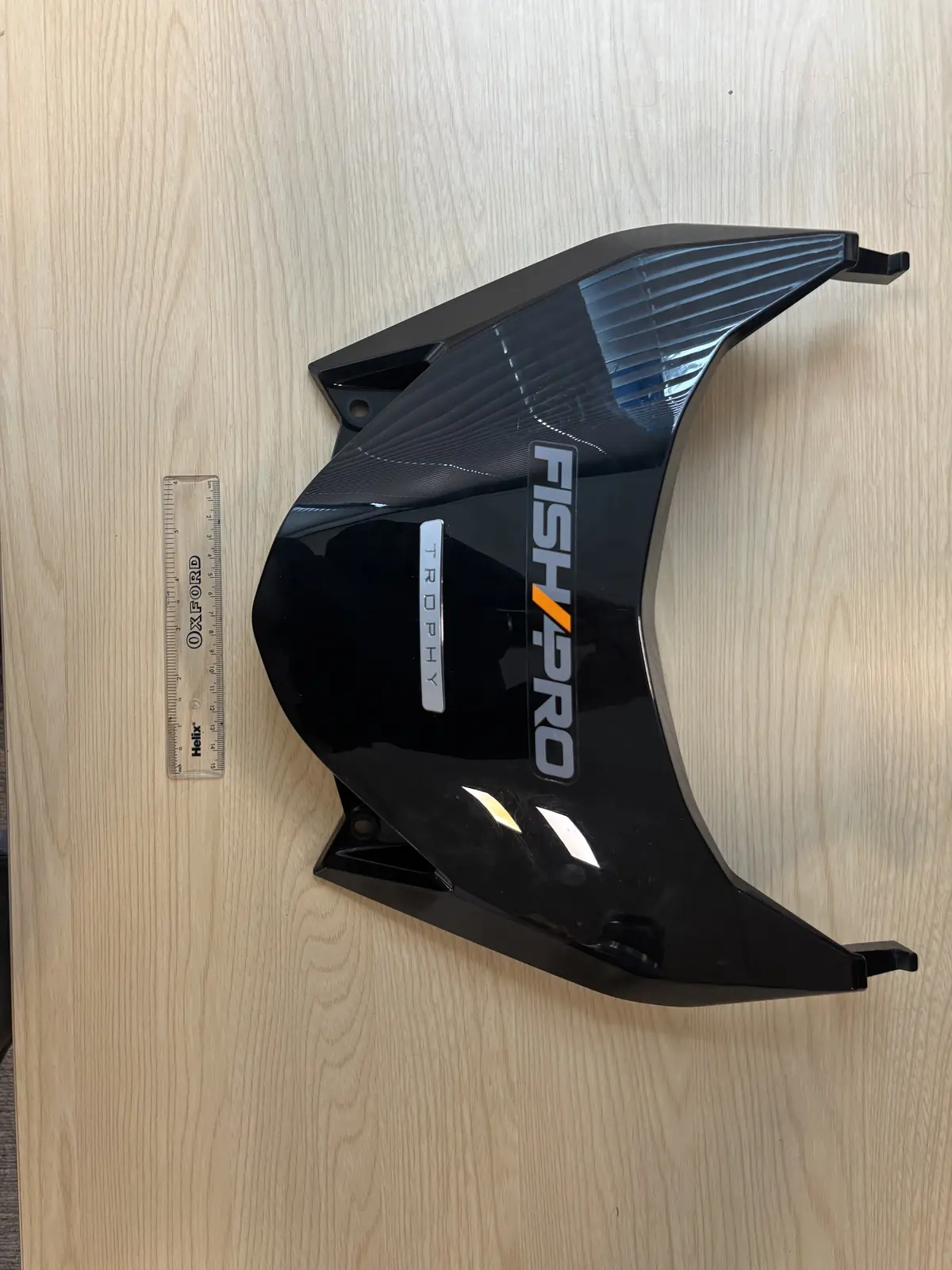
How do you 3D print a jet ski body kit tough enough for saltwater, sun and speed?
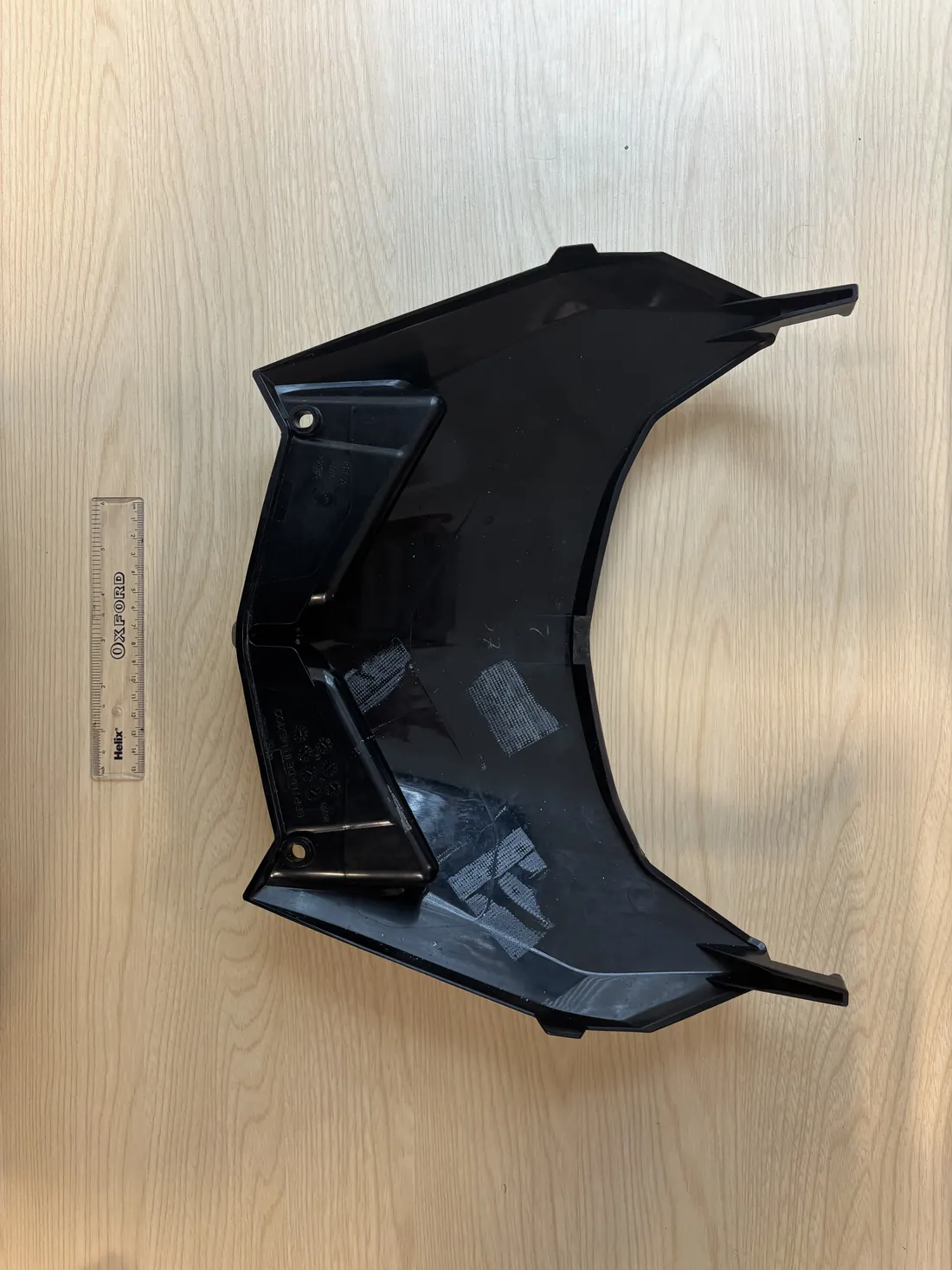
Roberto is building The Jet Ski Life, a custom body-kit brand for jet-skis, from his base at Cobb's Quay in Poole, and we are his development partner. We 3D scanned a Sea-Doo Fish Pro Trophy to nail the fit, designed a full body kit in CAD, and print it in marine glass-fibre PET-GF15: tough enough to take a beating and heat-resistant enough that it holds its shape under a hot sun. The parts are vapour-smoothed to an OEM-style gloss, watertight around the speakers and lights, and damped against vibration. It is fitted and tested on the water, we are on version 12, and we are still making it better together.
Who is The Jet Ski Life?
The Jet Ski Life is Roberto's business, building custom body kits that turn a standard jet-ski into something that looks factory-custom and stands up to hard use. He runs it from Cobb's Quay in Poole, a few minutes up the water from our workshop. Rather than commit to expensive fibreglass moulds for a design he wants to keep refining, Roberto came to us to develop the kit with 3D printing, so every new version is a print away instead of a new tool.
A body kit that has to fit a real ski, survive the sea and sun, and keep evolving.
Jet-ski bodywork is all compound curves, and it has to clip onto real mounting points on a real machine. Get the surfaces or the fixings a millimetre out and nothing lines up. So step one was capturing the ski exactly, not guessing at it from photos.
Then there is where it lives. A jet-ski body part gets saltwater, hours of UV, and a hot sun beating down on it, on top of the pounding and vibration of being ridden hard. It cannot fade, warp or crack. And because this is a product Roberto is still developing, the design had to be cheap and quick to change, not frozen in a mould after version one.
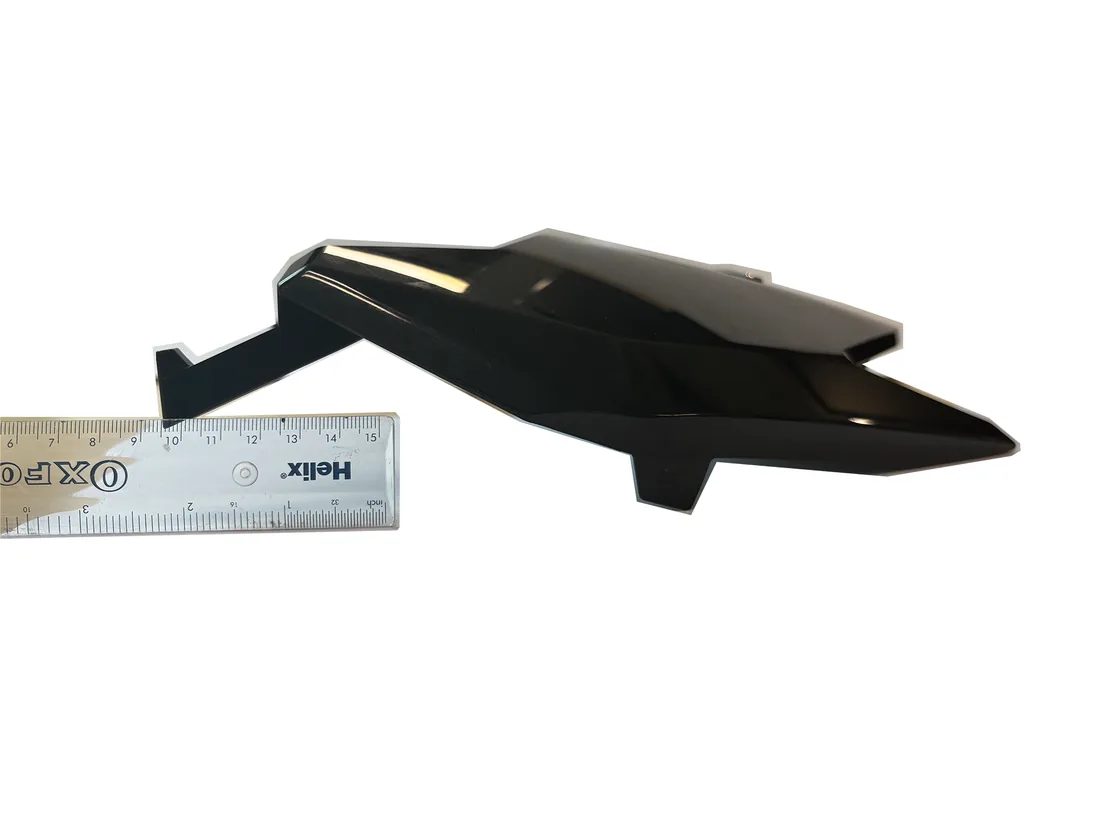
Scanned to fit, designed in CAD, printed in marine glass-fibre, smoothed to a gloss.
We started by 3D scanning the Sea-Doo Fish Pro Trophy so the kit is built off the real geometry, not a guess. From there we designed the whole kit in CAD: console panels, a light-bar mount with housings for the Wet Sounds speakers, pegs and nav-light parts, refining the shapes with aerodynamic analysis over a dozen rounds (we are on version 12). We print it in PET-GF15, a glass-fibre reinforced material chosen for toughness so it takes a beating, and for heat resistance so it holds its shape under a hot sun where softer plastics would sag. Each part is vapour-smoothed to an OEM-style gloss, sealed watertight around the speakers and lights, and damped to soak up vibration. Because it is printed, the next version is a print away, not a new mould.
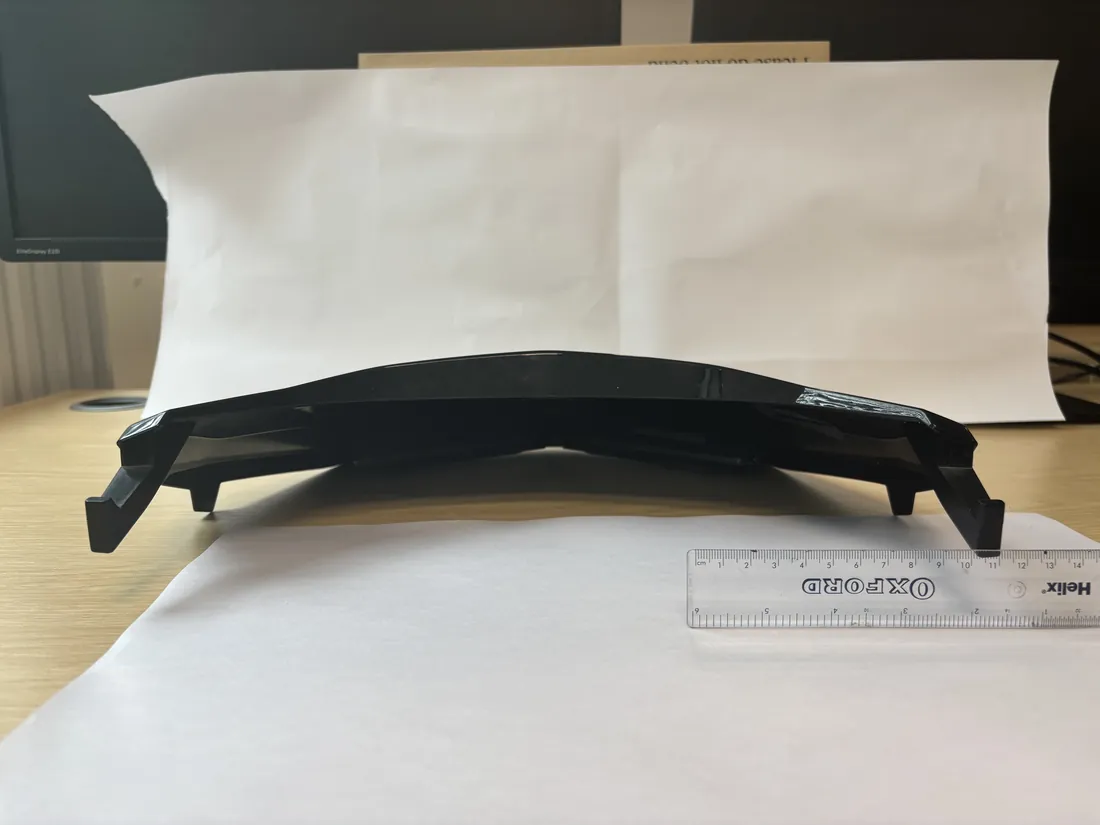
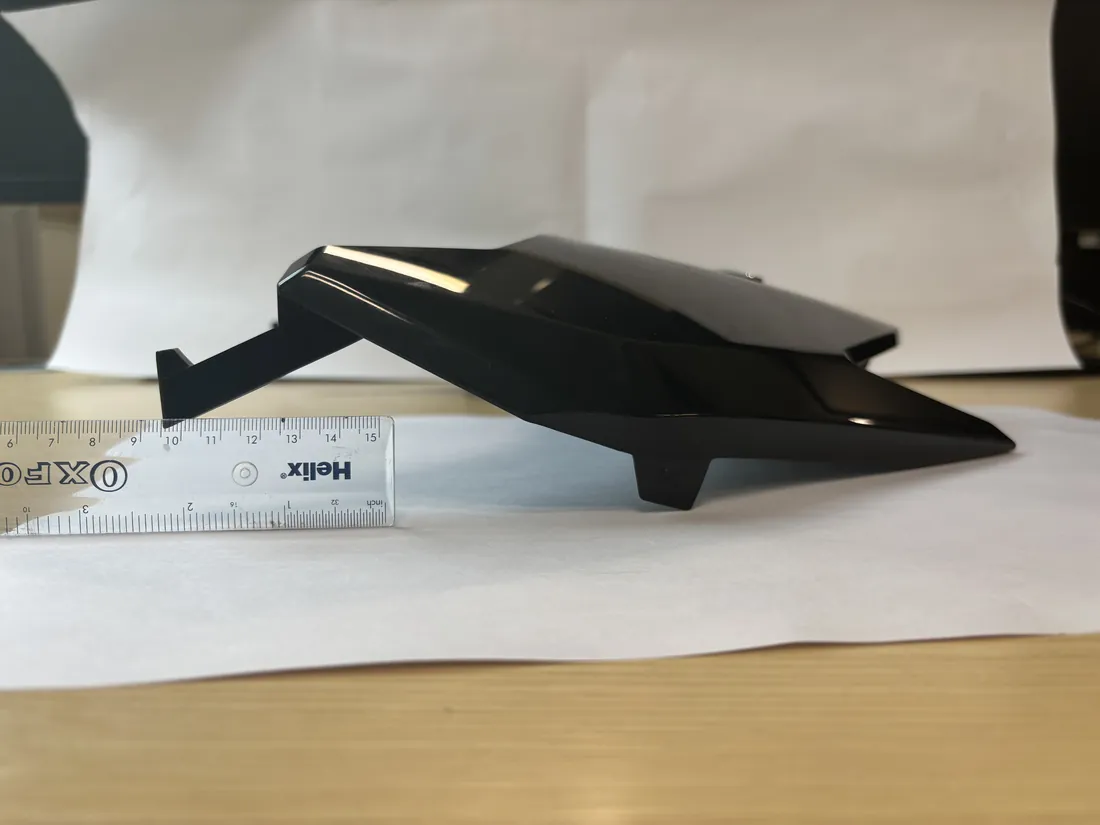
From a scan of the ski to a kit on the water. Here's how we run it.
The kit is developed on the same structured loop we use for every product-development job at our Poole workshop, just repeated as it gets better.
3D scan the ski
We 3D scanned the Sea-Doo Fish Pro Trophy to capture the exact surfaces and mounting points, so every part fits the real machine.
Step 1Design and refine in CAD
We designed the full kit in CAD and refined the shapes with aerodynamic analysis, iterating through to version 12.
Step 2Print in marine glass-fibre
Printed in PET-GF15 for toughness and heat resistance, then vapour-smoothed to an OEM-style gloss.
Step 3Fit, seal and water test
Fitted to the ski, sealed watertight around the speakers and lights, damped for vibration, then tested on the water.
Step 4
A body kit that is on the water, and still getting better.
The kit is fitted, watertight and out on the water. It shrugs off saltwater, holds its shape in the sun, and the vapour-smoothed finish reads like a factory part. Because it is printed rather than moulded, Roberto and 3DPE keep developing it together from just up the water in Poole, now on version 12, so The Jet Ski Life has a product that gets better with every ride instead of being frozen in a mould.
| 3D Printing Express (what we did) | Traditional moulded kit | |
|---|---|---|
| Developing the design | Each version is a print, iterate freely (now V12) | Every change needs a new mould |
| Cost to start | No tooling, print on demand | Expensive moulds up front |
| Marine durability | Glass-fibre PET, UV and heat resistant, watertight | Depends on the layup |
GalleryFrom the project
4 photos · 3D Printing Express, PooleQuestions about 3D printed jet ski, marine and custom vehicle parts
Common questions about 3D printed jet ski parts, marine parts and custom body kits. Our workshop is in Poole, Dorset, on the water near Cobb's Quay, and we work with clients across the UK.
Can you 3D print custom jet ski parts?
Yes. We develop and print custom jet ski parts and full body kits. For The Jet Ski Life we 3D scanned a Sea-Doo Fish Pro Trophy, designed the kit in CAD and printed it in a marine-grade material. Whether it is one replacement part or a whole kit, we can scan, design and print it.
Is 3D printing tough enough for marine and outdoor use?
With the right material, yes. We print marine and outdoor parts in glass-fibre PET (PET-GF15): tough enough to take a beating, UV stable, and heat resistant so it holds its shape under a hot sun where everyday plastics would sag. Parts can be sealed watertight around electronics.
Can you make a body kit or custom parts without expensive moulds?
Yes, and that is the big advantage. There is no tooling to pay for, so each version is just a print. That let The Jet Ski Life develop the kit through a dozen iterations without committing to a mould, and keep improving it after launch.
Can you copy or fit parts to my exact vehicle?
Yes. We 3D scan the vehicle or the original part to capture the exact surfaces and mounting points, then design to that, so parts fit first time. It is how we got the jet ski kit to clip straight onto the ski.
Got a marine or custom-vehicle part to develop? Send us the brief.
We scan, design, print and iterate custom jet ski parts, marine parts and body kits from our workshop in Poole, Dorset, on the water near Cobb's Quay, for clients across the UK. Marine-grade materials, watertight builds, no moulds. You'll hear back from the two founders, not a form reply.