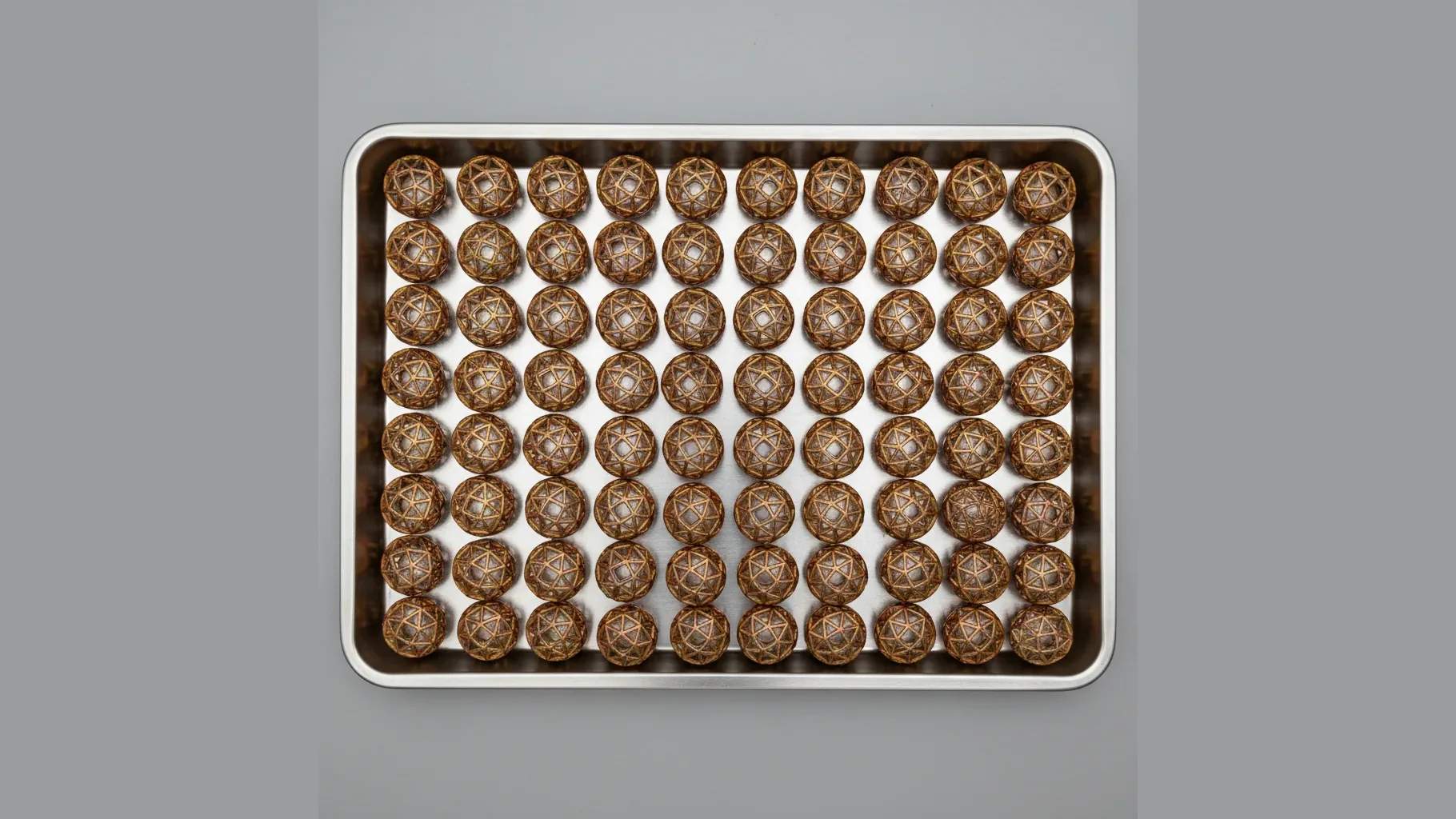
Do you recycle PLA-Silk print waste?
Yes. We run a closed loop in our own workshop. Failed prints, purge, and support waste are collected, reground, and reprocessed here instead of going to landfill. That is standard on every PLA-Silk job, no surcharge. PLA-Silk itself is bio-sourced from corn or sugarcane, so the feedstock and the waste stream are both accounted for.
What is PLA actually made from?
PLA is bio-sourced. Corn starch or sugarcane is fermented into lactic acid, which is then polymerised into polylactic acid. 100% plant-derived feedstock · no petroleum carbon in the polymer chain. The end-of-life pathway is industrial composting (EN 13432) · home composting does NOT break PLA down within any reasonable timeframe.
Is PLA actually biodegradable?
Yes, but only in industrial composting facilities (EN 13432 conditions · 60°C+ humid for 90+ days). PLA does NOT biodegrade in your garden compost, in landfill, or in the ocean within any reasonable timeframe. For practical purposes treat PLA parts as non-biodegradable plastic in regular use · the bio-source is the environmental win, not the disposal route.
Is PLA-Silk a strength grade?
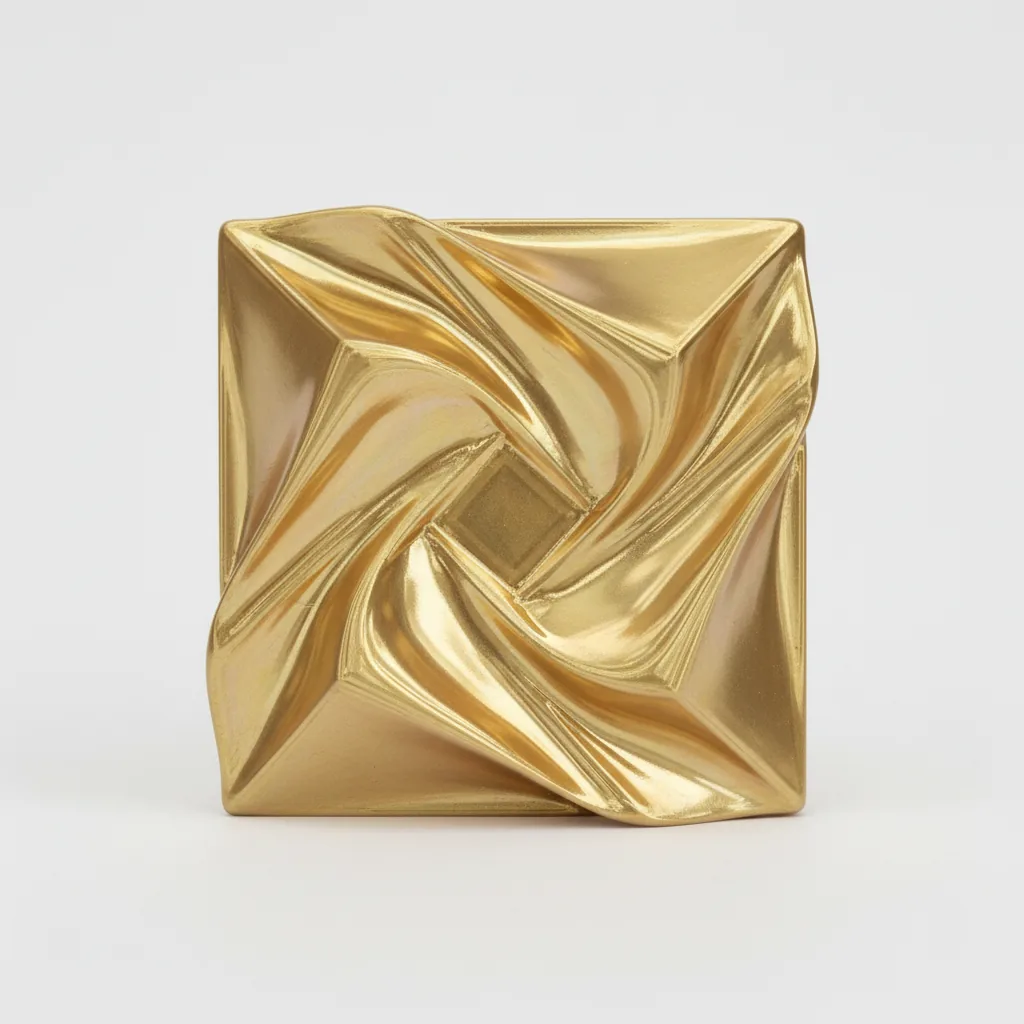
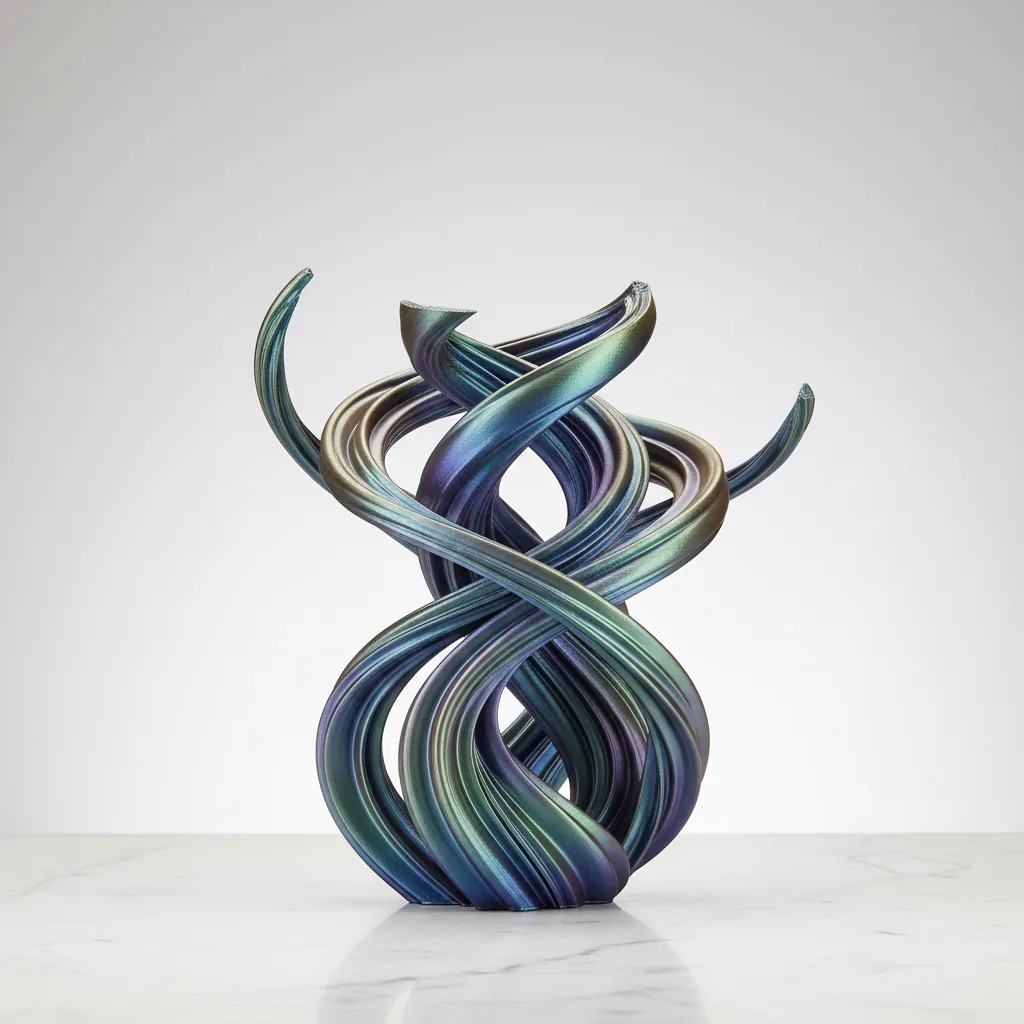
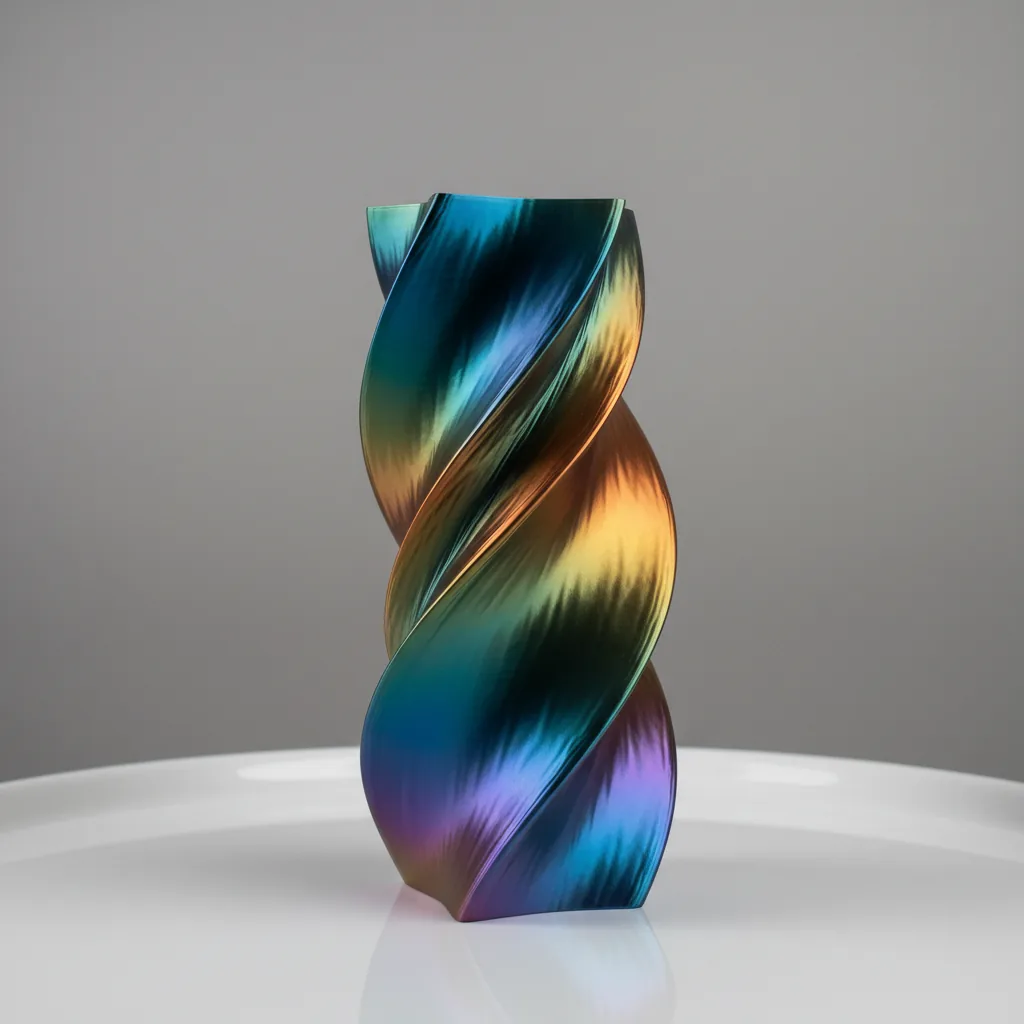
No · it is a finish grade. Polymaker's Panchroma TDS V2.1 does list a healthy notched Charpy of 13.8 kJ/m² (ISO 179, FDM-printed bars) and tensile 41.1 MPa XY, but the silk-effect additive exists for the gloss and real-world silk-PLA toughness is batch-variable, so we never sell PLA-Silk on impact. Spec it for the showpiece finish. For a dependable strong/tough part in the PLA family use PLA+ (toughest, 38.9 kJ/m²) or PLA-CF (stiffest).
What temperature does PLA fail at?
Tg sits at ~60°C (PLA-family typical) · above this PLA-Silk softens rapidly. HDT is ~60°C at 0.45 MPa load. A PLA part left in a hot car (interior easily hits 70°C+ in summer) will deform. Anything that touches hot water, sees direct sunlight on a warm day, or sits near a radiator is the wrong use case. Switch to PETG (HDT 78°C) or ABS / ASA (HDT 100°C) for warm-service parts.
Does PLA work outdoors?
No, not for any sustained period. PLA yellows and embrittles in months of direct UV. Combined with its low Tg (~60°C), outdoor service is the wrong use case. ASA is the outdoor-default · UV-stabilised PC for clear / engineering outdoor parts. PLA for indoor only.
What colours can I get?
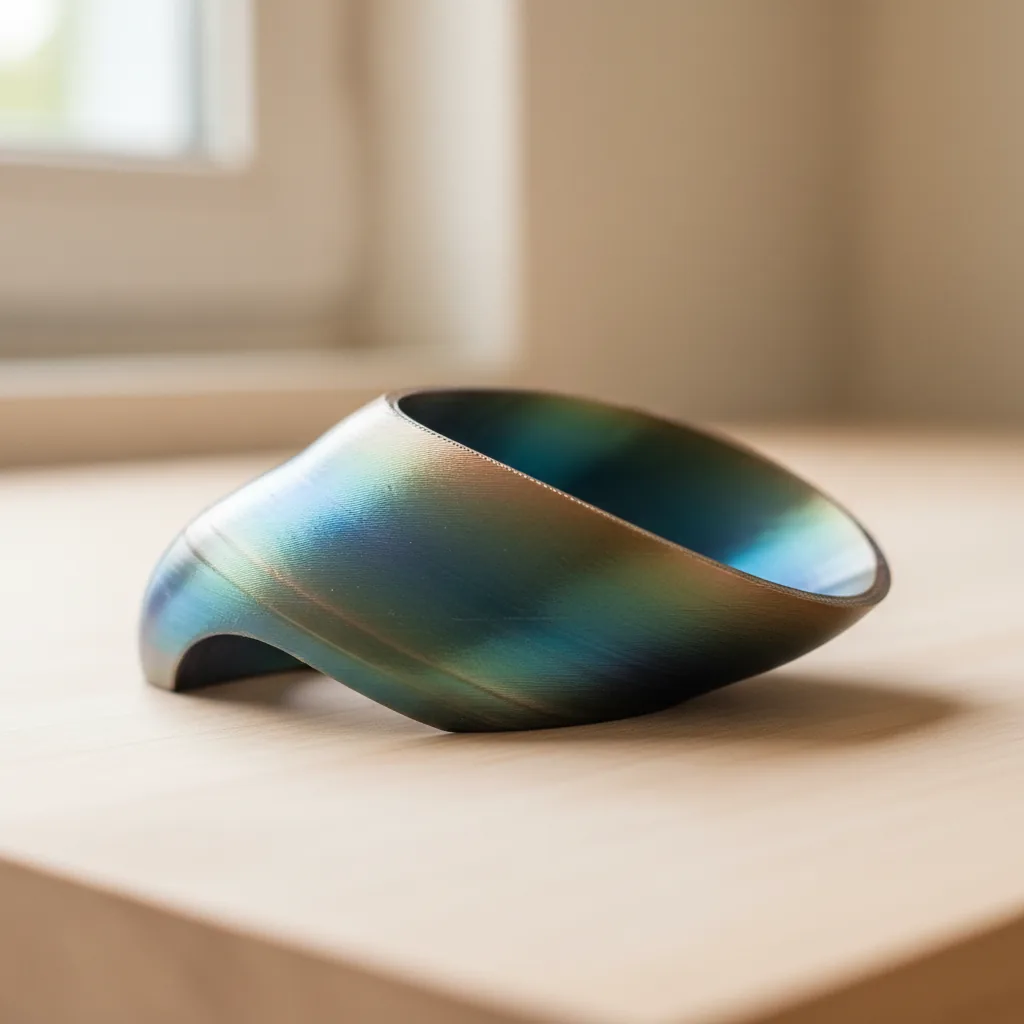
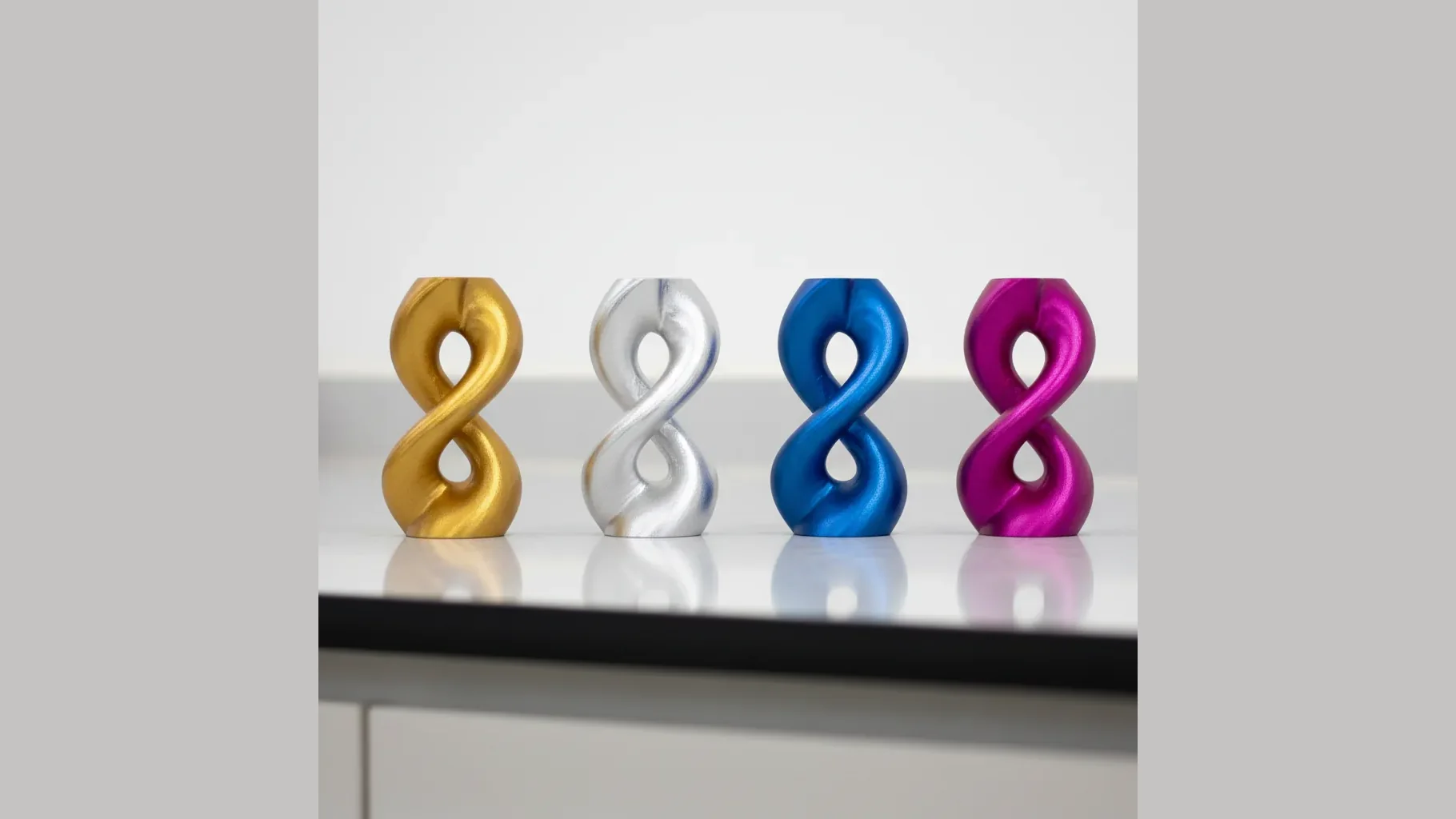
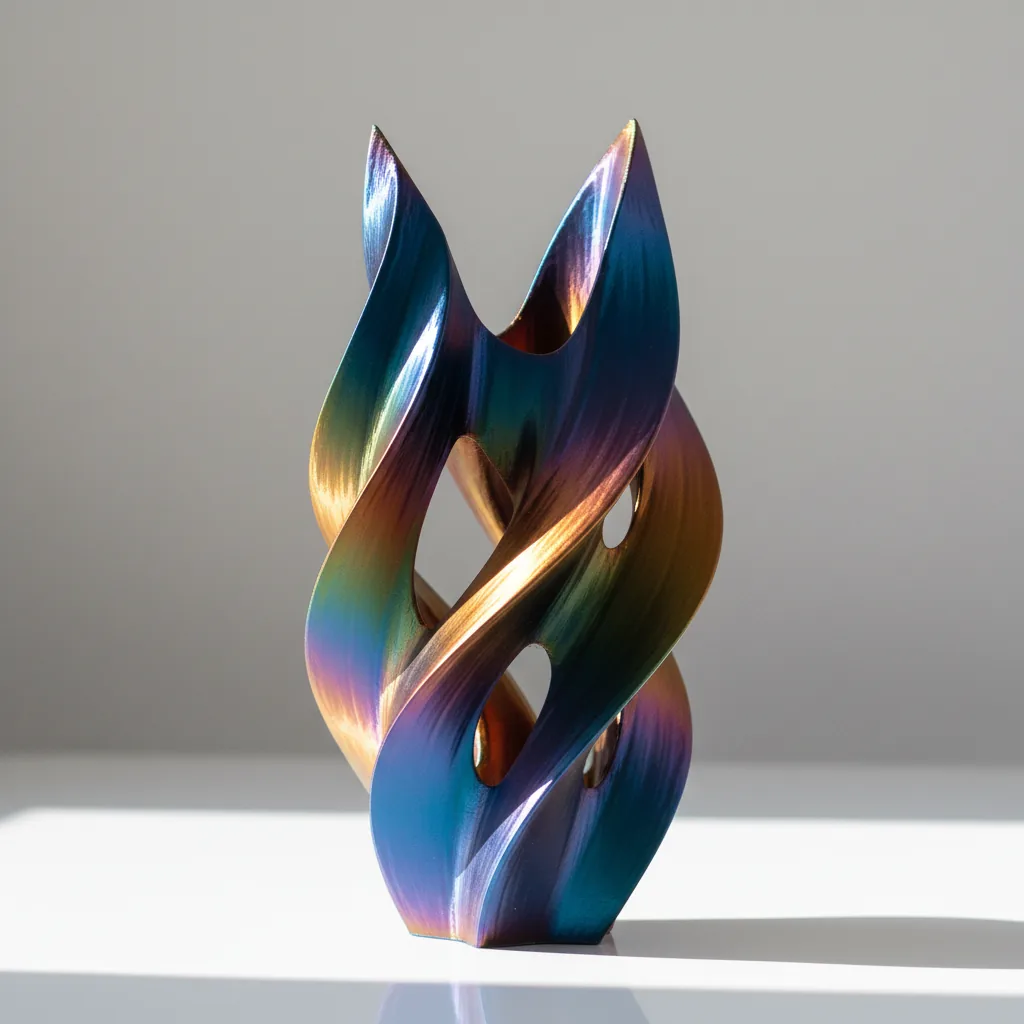
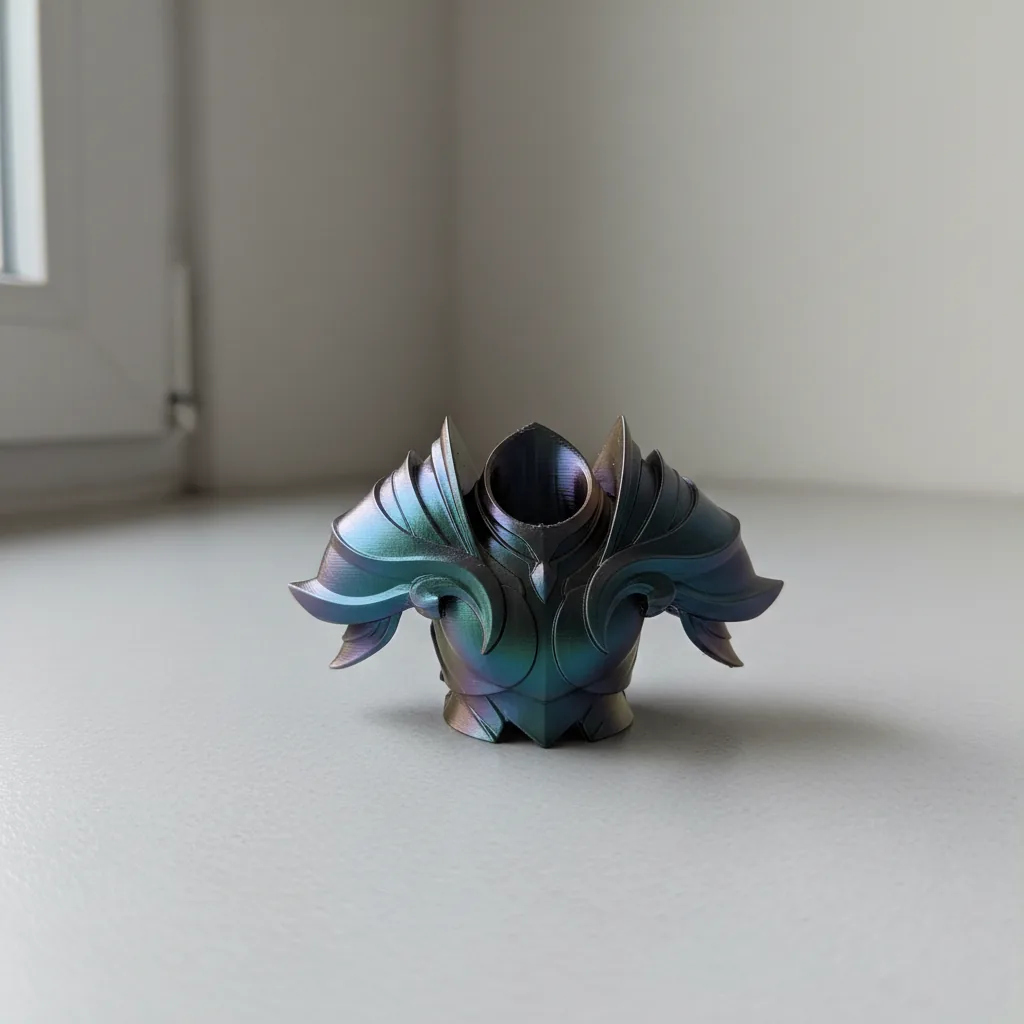
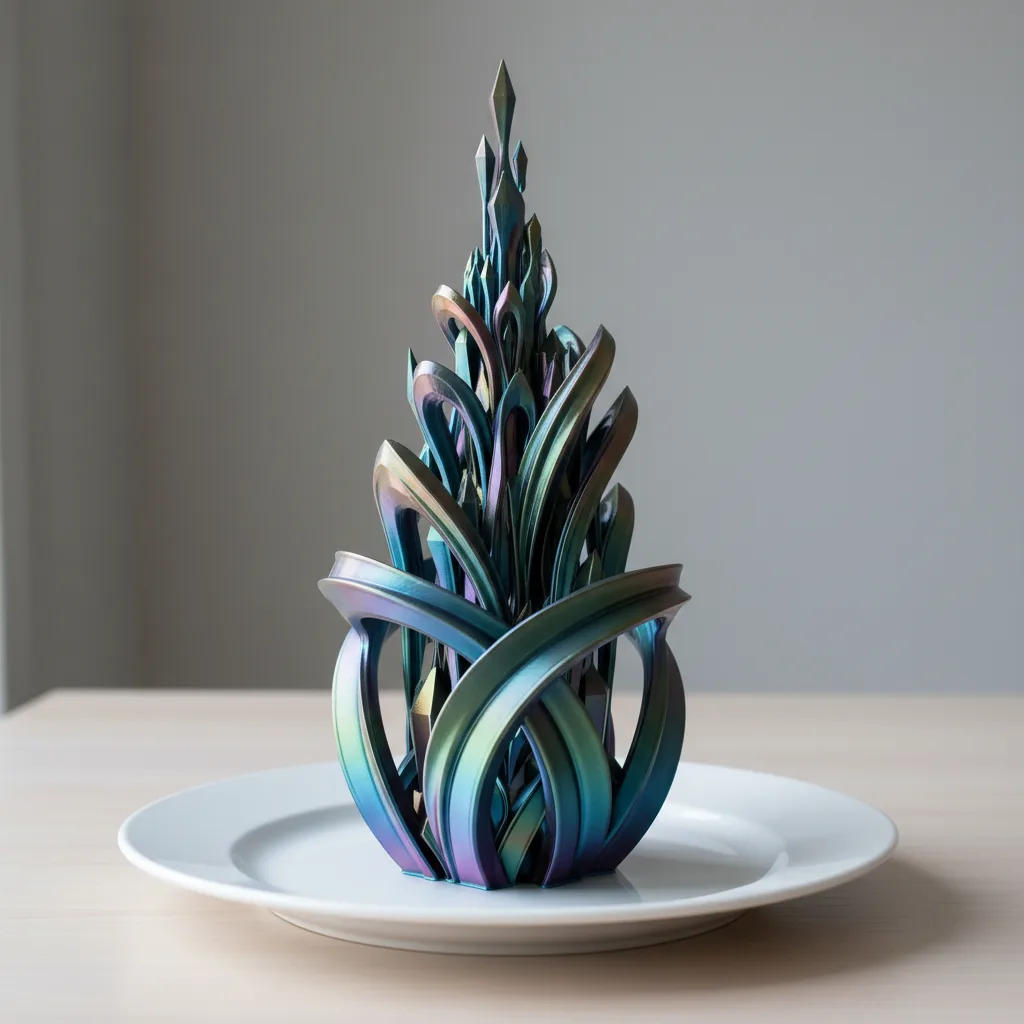
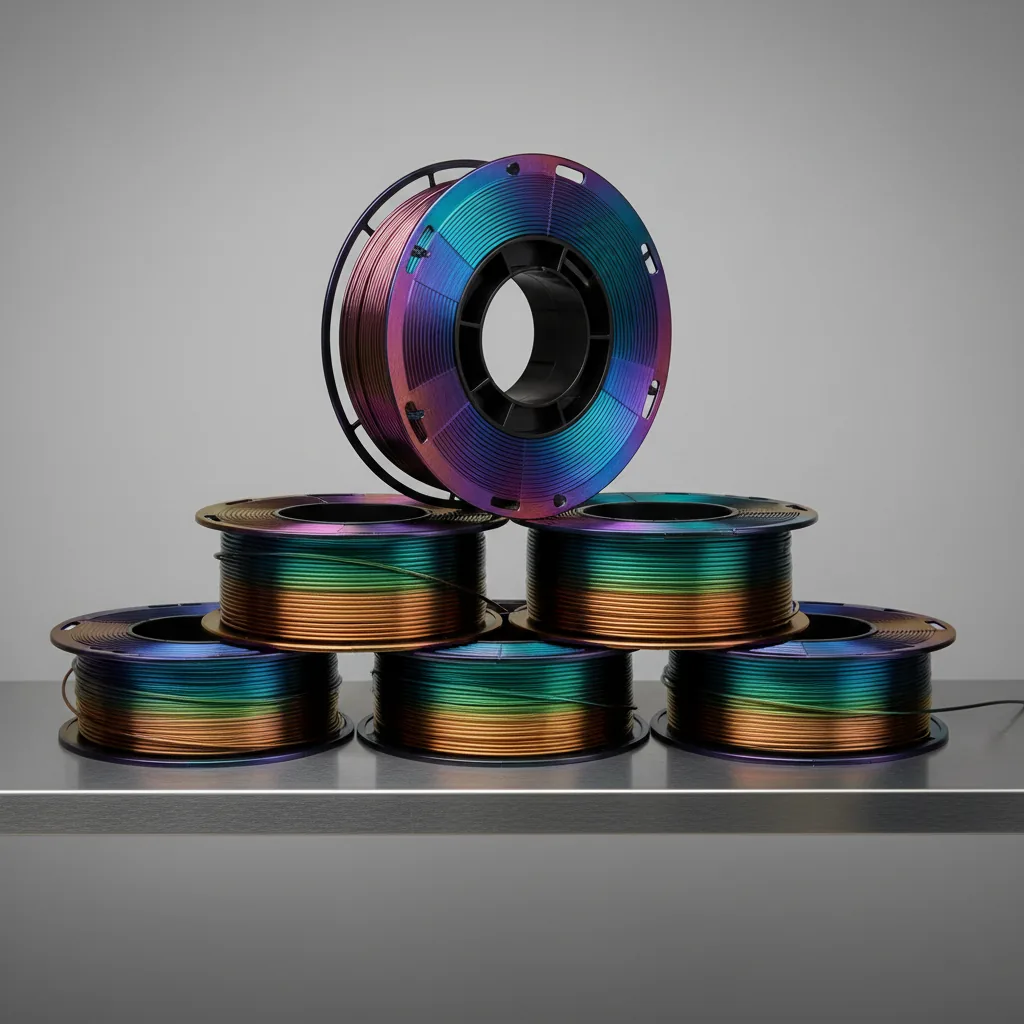
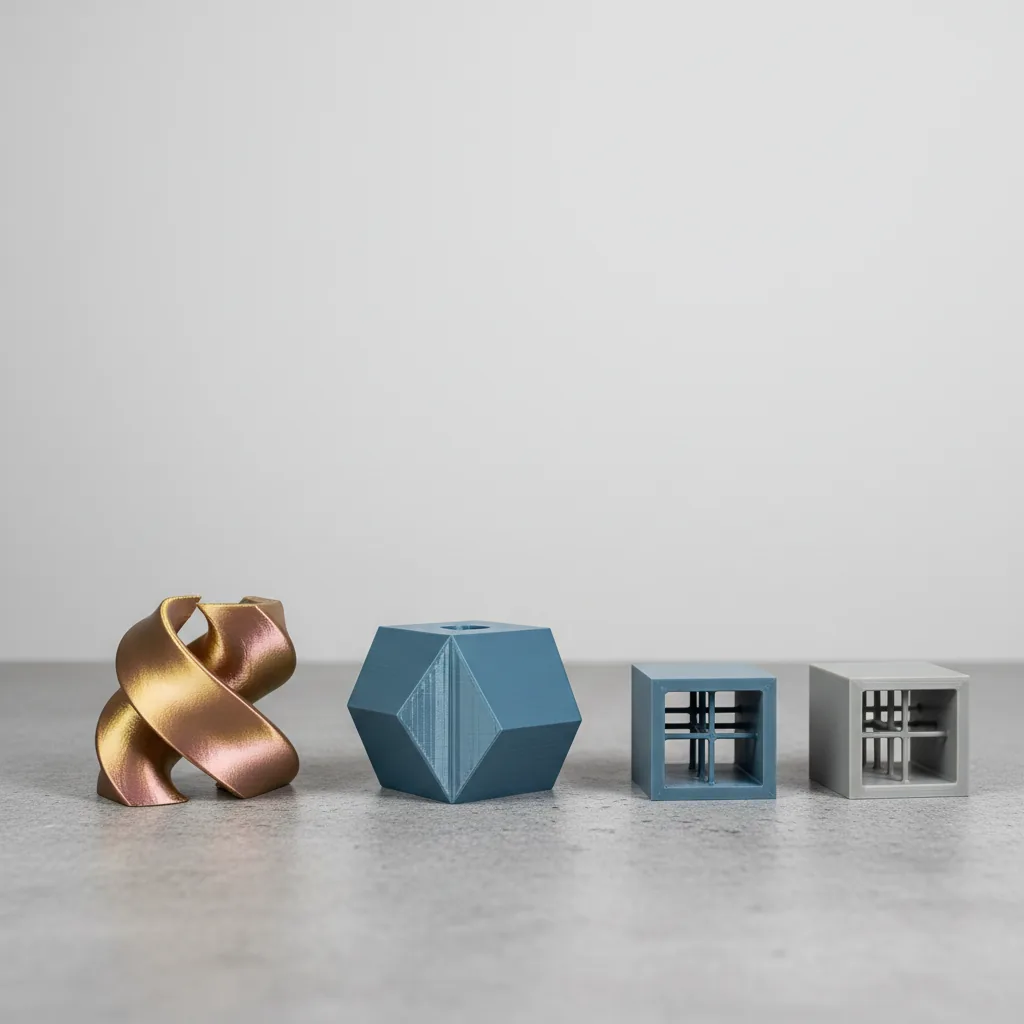
30+ stock colours · matte, silk, glossy, glow-in-the-dark, marble, wood-effect, metallic, transparent. Custom RAL match on request (1-2 day filament procurement). PLA's widest colour range is one of its biggest reasons to pick it for visual / cosmetic work · paintable too, though the as-printed colour palette covers most use cases without painting.
How does PLA compare to PETG for tougher parts?
PETG is more ductile, not raw-tougher. PETG yields at 8.4% strain before breaking, while plain PLA snaps clean at ~6%. PETG holds more heat (HDT ~78°C vs PLA-family ~60°C) and survives mild outdoor exposure slightly better. PLA-Silk's Panchroma TDS V2.1 notched Charpy (13.8 kJ/m², FDM bars) reads well but is batch-variable, so we don't sell it on impact. Pick PETG when you need yield-before-break ductility, PLA+ for dependable impact · PLA-Silk only when the showpiece finish is the spec.
Should I anneal PLA parts?
No · annealing PLA causes unpredictable shrinkage (often 2-5% non-uniform across XY and Z) and frequently leaves the part warped. The crystallinity gain is real but the dimensional cost usually isn't worth it. If you need higher heat resistance, switch material to PETG / ABS / ASA rather than annealing PLA. Different from PA12-CF, where annealing IS recommended.
How much does PLA cost vs other materials?
PLA-Silk filament is roughly £25-40/kg for stock silk colours · plain PLA is lower-cost (~£18-28/kg). PETG sits at £25-40/kg, ABS / ASA at £30-45/kg, PA12-CF at £90-130/kg. PLA-Silk is picked for the showpiece finish, not to save cost. Per-unit pricing depends on geometry and quantity · ask in your brief and we'll quote the most cost-effective configuration.
Is PLA chemical-resistant? · 18-row compatibility table
PLA's chemical resistance is one of its weakest properties. It fails against most solvents, all strong acids and alkalis, and most fuels. Useful for water, mild detergents, and brief alcohol contact only. Match your specific exposure below before specifying.
| Chemical / family | Resistance | Notes |
|---|
| Cold water, room temperature | Excellent | Indoor parts, washable surfaces |
| Detergents, soap (mild) | Excellent | Workshop wash-down OK for indoor parts |
| Sea water / saline (brief) | Limited | Weeks-to-months OK · saturated immersion = hydrolysis |
| Mineral oil (brief contact) | Limited | Surface ok briefly · sustained contact softens |
| Methanol, ethanol, IPA (cleaning wipe) | Limited | Cleaning OK, no soak |
| Methanol, ethanol, IPA (sustained) | Fails | PLA softens and creeps |
| Brake fluid (DOT 3 / 4 glycol) | Limited | Brief contact only |
| Weak organic acids (acetic, citric) | Limited | Slow attack · brief contact only |
| Hot water (sustained > 50°C) | Fails | Tg cliff + hydrolysis combined |
| Petrol, diesel | Fails | Sustained contact dissolves PLA |
| Engine oils sustained | Fails | Creeps and softens |
| Acetone | Fails | Surface attack · does NOT smooth PLA like ABS |
| MEK | Fails | Dissolves PLA |
| Toluene, xylene | Fails | Strong solvents |
| DCM, chloroform | Fails | Industrial PLA solvents · workshop hazards |
| Ethyl acetate | Fails | PLA solvent · used for industrial vapour smoothing (workshop hazard) |
| Strong acids (sulphuric, HCl, nitric) | Fails | Polymer chain breakdown |
| Strong alkalis (NaOH > 5%) | Fails | Saponification of ester bonds |
Ratings reflect long-term / sustained exposure. Brief contact (cleaning wipes, splashes) is more forgiving than the table suggests. For any chemical service beyond indoor cleaning, switch material to PETG, ABS, or PA12-CF depending on the exposure.
What surface finish does PLA have as-printed?
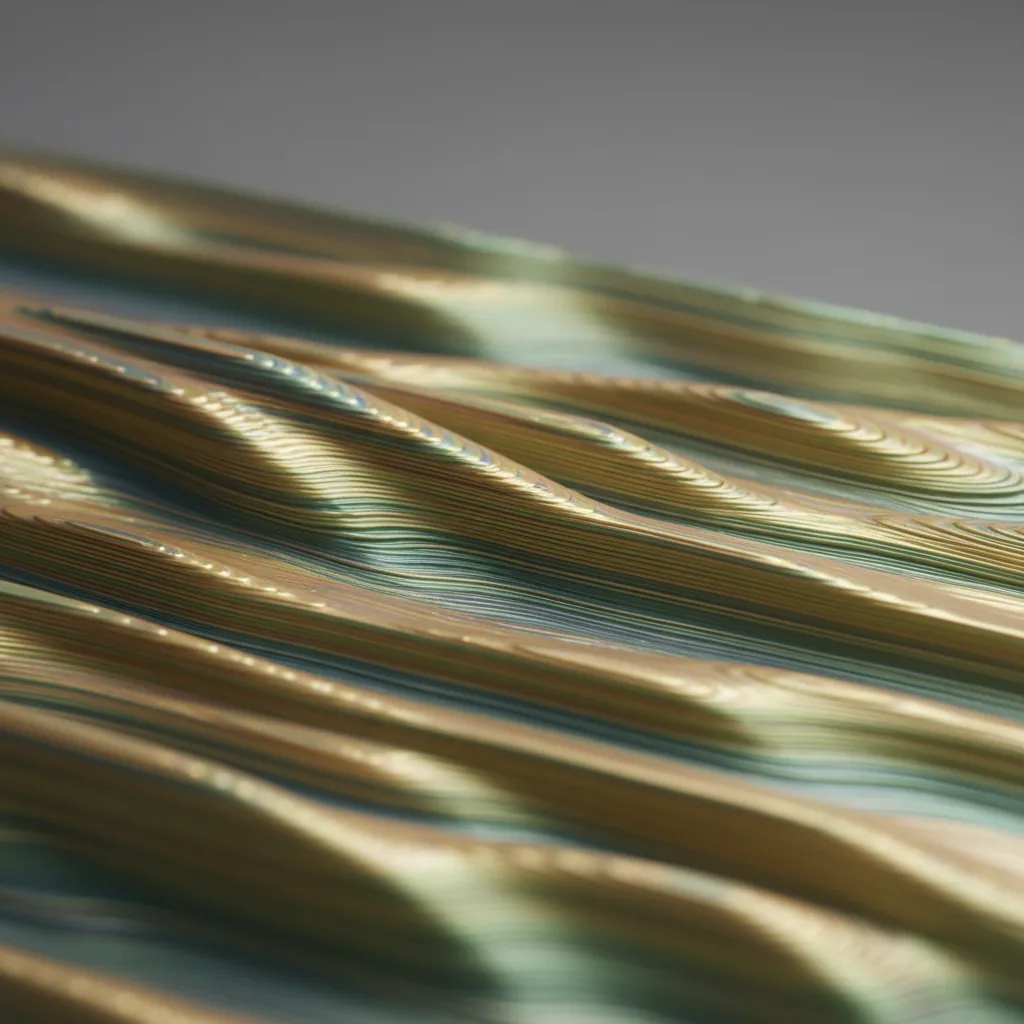
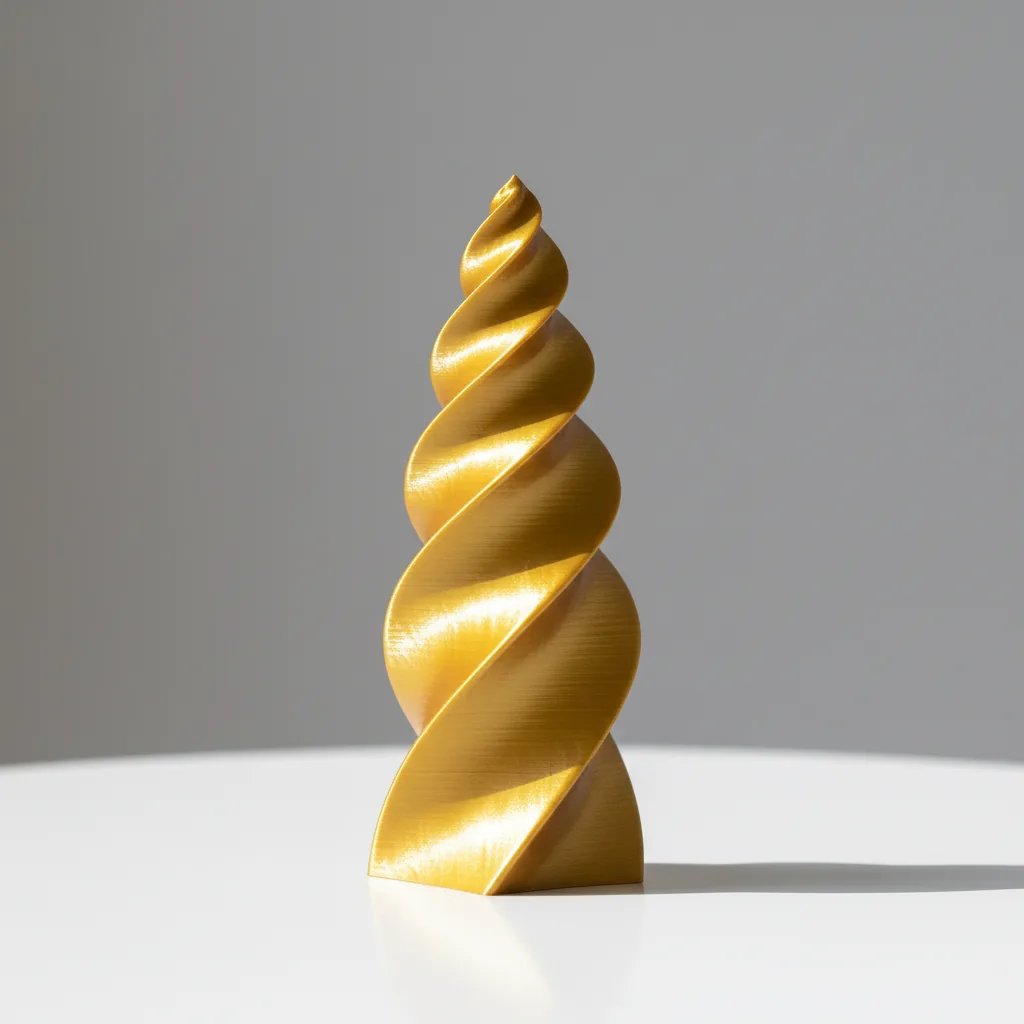
Layer lines visible like any FDM print · but PLA holds dimensional precision exceptionally well, which means consistent layer-line geometry. PLA sands smoothly through 240/400/800 grits. Takes 2K spray paint cleanly. Matte and silk PLA grades hide layer lines better than glossy. For glass-smooth without paint, PLA-silk + light hand-sanding gets close.
What's the most affordable PLA option in batch?
Plain stock-colour PLA at standard infill. For batches above 20 units, ask for batch pricing · the per-unit drops significantly because workshop time per part falls as we plan multi-part beds. Stock colours are lower-cost than custom-RAL matched. Tell us colour + qty in the brief and we'll quote the most cost-effective configuration.